

If you’ve ever been in Bridgwater on the first Saturday of November and heard the music and chanting… stop. Because that is Bridgwater Carnival. It’s not just fireworks and parades. It’s Europe’s biggest illuminated procession, a centuries-old rebellion in lightbulbs, and a story of community that’s still blazing.
A Light-Fuelled Rebellion Since 1605
The Bridgwater Carnival traces its roots to the Gunpowder Plot of 1605. Bridgwater, staunchly Protestant, responded not with solemnity, but with celebration: a bonfire night that grew into pageantry, then into a procession, and finally into something entirely spectacular.
It’s now the UK’s oldest carnival and “one of the largest illuminated carnival processions in Europe” with themed carts (never “floats”) that stretch up to 100 feet long, festooned with thousands of lights, dancers, bands, and majorettes.
Check out our video on the Bridgwater Carnival below
Why You Should Stop, Not Just Drive Through
- Annual spectacle: Held every year on the first Saturday in November, the procession starts at 6pm, so wrap up warm and plan your evening. Be aware that road routes into Bridgwater close around 4pm, and do not open again until the procession has finished (approximately 10pm)
- Two hours of wonder: It takes up to two hours to pass any one point on its 1.7-mile route
- Squibbing finale: Streets ignite in a practice called squibbing, a controlled, awe-inspiring fireworks display led by brave locals
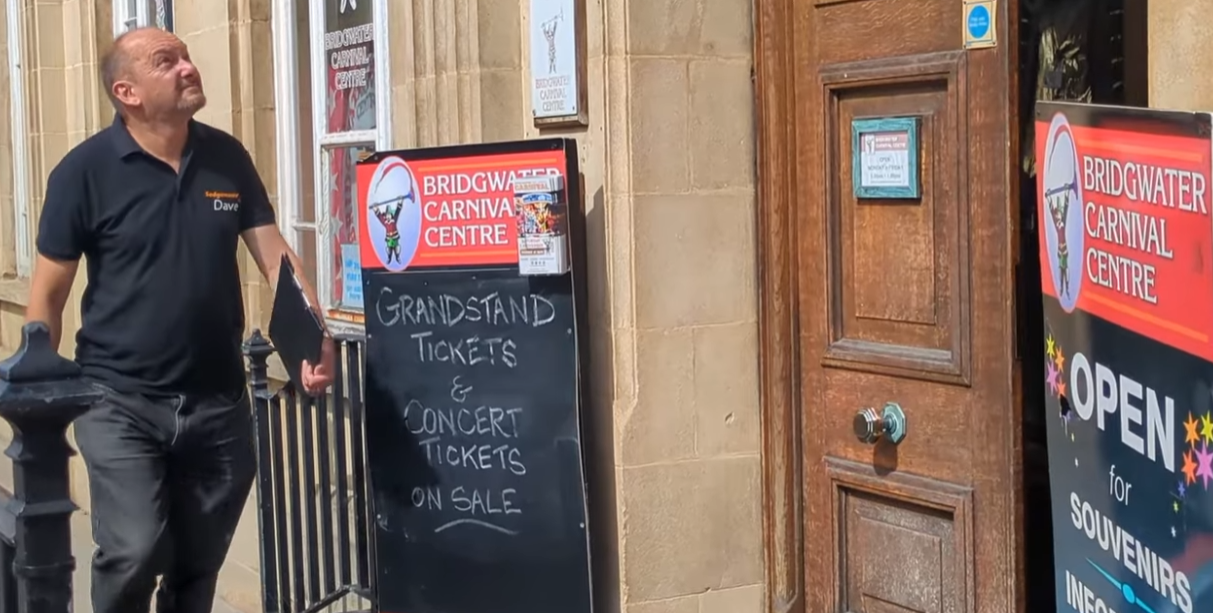
Crucially, you don’t need a ticket. You just need timing and patience. Grandstand seats sell out fast, and often months before the event.
Best advice is to arrive early. Load up on patience, warm layers, and charity cash (there are collection carts along the way)
Under the Lights: A Town That Builds, Believes, Belongs
What turns a one-night event into an enduring institution? Community. Hundreds of local “carnivalites” volunteer year-round, fundraising, crafting, wiring, dancing, to bring it all to life. Clubs build carts with budgets exceeding £20,000 each, investing thousands of hours and honouring a tradition that’s bigger than themselves
This isn’t just about spectacle. Tickets, souvenirs, concerts (running for two weeks beforehand), and hospitality packages spark local income. Visitors spill into pubs, shops, hotels helping Bridgwater thrive beyond a quick hell-o as “that M5 pit-stop.” That’s Think Local First in action. Every bright bulb and cheering crowd helps keep the town glowing.
Planning Your Visit Like a Carnival Pro
- Arrive early (roads close from about 4pm) to find parking or access the park-and-ride. Find out more.
- Dress warm – November evenings in Somerset can bite.
- Mind the crowds – the procession draws 150,000 people. Be patient with queuing. It’s busy for a good reason.
- Stay local – cafés, pubs, and heritage sites like St Mary’s Church, the Admiral Blake Museum, Brick & Tile Museum, the historic Battle of Sedgemoor are worth a visit in the day or days before or after the show. You can also walk around the town was first to petition the government for the Abolition of the Slave Trade. Check out our article on Things To Do In Bridgwater.
- Support community – consider a donation via the official carnival site to keep it rolling
Light Shows, Light Spirits: What It All Means
The carnival isn’t just a memorable night. It’s Somerset’s heart on display:
- It’s history illuminated – from Guy Fawkes effigies to electric engineering.
- It’s heritage in motion – tens of thousands watch and thousands more create it.
- It’s fuel for the local economy, a living tradition with modern impact.
Bridgwater, at its core, is a place that knows how to build something spectacular from grit, creativity, and shared pride. Whether you’re there for the lights, the legacy, or the local economy, standing on the streets of Bridgwater on carnival night is priceless. You’re guarantees some amazing sites, great photo opportunities, loud music and probably a few surprises!