


If you’ve ever walked through Bridgwater and wondered why some of the buildings look like they’re built to last longer than most empires, the answer is simple: bricks. Proper, sturdy, Somerset bricks. At the Brick & Tile Museum, you’ll discover how a town that’s often dismissed as “that place you drive through on the way to North Devon” was once a clay-fuelled powerhouse of industry.
This isn’t just a museum about walls and rooftops. It’s a story about the people who shaped them… with mud, sweat, and occasionally questionable working conditions.
Why Bricks and Tiles Made Bridgwater Famous
Long before Bridgwater became known for Europe’s biggest illuminated carnival, it was a town of kilns, clay, and industry. Its riverside location made it perfect for shipping tiles and bricks across the country. Somerset’s clay soil wasn’t great for farming, but it was fantastic for building. So, Bridgwater did what Bridgwater does best: turned a local quirk into a national legacy.
The bricks fired here built homes, factories, and public buildings far beyond Somerset. If Admiral Robert Blake gave Bridgwater its naval hero, and the Battle of Sedgemoor gave it a rebellious streak, then bricks gave the town its bones.
A Hands-On Look at Somerset’s Brickmaking Past
Unlike some museums where everything is hidden behind glass, the Brick & Tile Museum is gloriously gritty. You can see the original kilns, clay pits, and the tools used by workers whose entire lives were spent shaping clay into something useful.
The process was simple, but back-breaking:
- Dig clay out of the ground.
- Shape it into bricks or tiles using wooden moulds.
- Fire it in giant kilns that could roast an ox if you fancied multitasking.
- Repeat until your hands blistered and your back gave up.
It’s a rare glimpse into the kind of working life that modern Bridgwater was built on. Forget heritage as something polite and distant, this museum is practical, and very real.
From Clay Pits to Kilns: How Tiles Were Made
Tiles weren’t just functional. Bridgwater became famous for its decorative ones too. Think of them as the Instagram-worthy feature walls of the 18th century. The museum shows how craftsmen combined skill and artistry, creating designs that travelled well beyond Somerset.
When you walk past the displays, you can almost hear the sound of shovels hitting clay and the roar of the fires that never really went out.
The Hard Work Behind Every Brick
It’s easy to forget that behind every brick is a worker, usually local, whose life was spent in heat, dust, and danger. The Brick & Tile Museum shines a light on those people. Whole families often worked together, turning clay into wages that kept food on the table.
It wasn’t glamorous. It wasn’t easy. But it was honest, gritty work that gave Bridgwater its backbone.
Check out our video on the Brick & Tile Museum below
How the Museum Connects to Bridgwater’s Bigger Story
Bridgwater has a habit of doing things its own way. It was the first town in Britain to petition against the slave trade (long before Wilberforce made it fashionable). It gave us Admiral Robert Blake, who reinvented naval warfare, long before Nelson fashioned his eye-patch. And it still explodes with sequins and sparks during the Bridgwater Carnival every November.
The Brick & Tile Museum fits into that same story. It’s about resilience, rebellion, and the kind of quiet pride that makes Bridgwater far more than just a service stop. If you’re visiting St Mary’s Church, the Blake Museum, or even standing on the battlefield of Sedgemoor, the Brick & Tile Museum completes the picture: Bridgwater isn’t just radical, it’s a practical town too.
Links to St Mary’s, Blake, and Sedgemoor
- Battle of Sedgemoor site & Westonzoyland Church — about 2 miles out of town. England’s last pitched battle, and worth the hike
- Blake Museum – Robert Blake’s, a 5-minute walk.
- Bridgwater Carnival — if you visit in November, stay for the world’s biggest illuminated parade. Think Mardi Gras with tractors.
- St Mary’s Church – A local church with a big spire and some amazing architecture inside
- Slave Trade history walk — learn about Bridgwater’s radical petition against slavery in 1785 .
Everything in Bridgwater links back. That’s what makes it more than just a pitstop.
Check out our article on Things to do in Bridgwater
Supporting Local History with Think Local First
The museum survives thanks to local passion and support. It’s run with the help of volunteers, heritage funding, and the determination of people who don’t want Bridgwater’s story to be forgotten.
This is where Think Local First comes in. Visiting, donating, or even just spreading the word helps keep history alive. Supporting places like this isn’t just about nostalgia — it’s about giving future generations a sense of pride in where they’re from.
Why You Should Stop in Bridgwater (Not Just Drive Past)
Let’s be honest: most people know Bridgwater for two things… traffic jams and carnival. But if you only ever pass through, you’re missing the real story.
Where else can you:
- Climb the shadow of a 700-year-old church tower?
- Stand where the last pitched battle on English soil took place?
- Visit the home of a naval commander who changed history?
- See the kilns where ordinary people built extraordinary lives out of mud?
Bridgwater is rebellious, proud, and just the right amount of weird. And the Brick & Tile Museum is one of the best places to see that spirit in action.
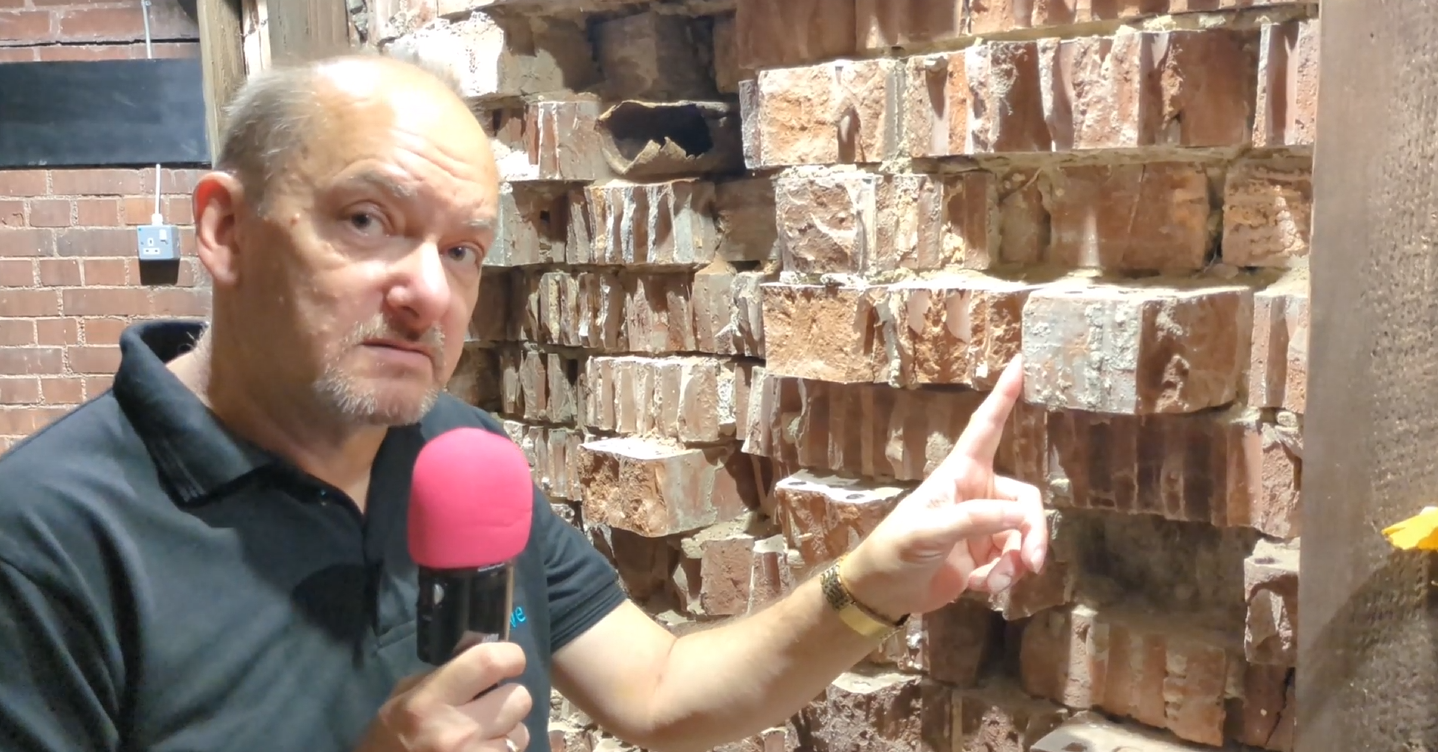
Final Thoughts: Bricks, Clay, and Bridgwater’s Spirit
The Brick & Tile Museum isn’t flashy. It doesn’t need to be. Like the bricks it celebrates, it’s solid, enduring, and essential to Bridgwater’s story.
So next time you’re hurtling down the M5 and thinking of Bridgwater only as a place to grab a coffee, stop. Look closer. Step into the museum. You’ll find a town built on rebellion, pride, and more bricks than you thought possible.
Because in Bridgwater, even mud has a story.